Photo: Jec8992, licensed CC BY-SA 3.0, via Wikimedia Commons
Grab your paddle and sunscreen, because Pasco County is sitting on some of the most underrated kayaking water in the entire state of Florida. I’ve been putting my kayak in all over this county for years, and I still find new spots that blow me away. Whether you want crystal-clear spring water, winding blackwater rivers, or wide-open Gulf estuary paddling, we’ve got all of it right here — and half the tourists driving through on US-19 don’t even know it exists.
Werner-Boyce Salt Springs State Park — Port Richey
This is the one I bring every out-of-town visitor to first, and it never fails to impress. Werner-Boyce is a coastal estuary park right off US-19 in Port Richey, and it offers miles of paddling through salt marshes, tidal creeks, and open water with views of the Gulf. The Salt Springs themselves are a cool geological quirk — saltwater springs rather than freshwater — and the whole park has this wild, untouched feel despite being sitting practically next to a Walgreens.
The paddling here is genuinely stunning. The tidal creeks wind through dense mangroves, and if you know where to go, you can find yourself completely alone out there with nothing but mullet jumping and osprey circling overhead. I’ve paddled out toward the Gulf on calm mornings and watched dolphins working the grass flats maybe 30 feet from my kayak. That never gets old.
Best Time to Go: Early morning from October through April is the sweet spot. Summer works too, but you’re dealing with afternoon thunderstorms that build fast over the Gulf, and they are not something you want to be in the middle of a marsh for. I aim to be off the water by noon from June through August. The winter months bring manatees into the warmer spring-fed waters nearby, which is worth planning a trip around.
Parking: There’s a dedicated parking area off US-19 with an entrance fee collected at the gate — it runs around $4 per vehicle, though that can change, so check ahead. The parking lot isn’t massive, so weekend mornings can fill up by 9 a.m. Get there early or go on a Tuesday.
Insider Tip: Rent a kayak or canoe right there in the park if you don’t have your own. The ranger staff is genuinely helpful and will point you toward the creek systems that are most accessible based on the tide. Always check the tide chart before you go — paddling against a strong outgoing tide in those narrow creeks is a workout you didn’t sign up for.
Best For: Families, wildlife watchers, first-time kayakers, and anyone who wants Gulf Coast scenery without fighting Pinellas County crowds.
Cotee River — New Port Richey
The Cotee River runs right through the heart of downtown New Port Richey, and I’d argue it’s one of the most underutilized paddling corridors in West Pasco. You can put in at James E. Grey Preserve off Plathe Road, just west of Little Road, and paddle downstream toward the river’s mouth or upstream into quieter, shadier water where the tree canopy closes over you like a tunnel.
Downtown New Port Richey has done a lot of work to improve river access, and there are kayak launches along the Sims Park waterfront that make it easy to hop on and off the water. On weekends, the Sims Park area gets lively — there are events, food trucks, and people hanging out along the riverbank — which gives the paddle a fun, social energy if that’s your thing.
The river isn’t gin-clear like a spring run, but it has its own character. It’s a tannin-stained coastal river, dark and moody, and the wildlife is impressive. I’ve seen river otters, great blue herons, snook, and more mullet than I can count. There’s a section closer to the park where manatees come through regularly in cooler months.
Best Time to Go: Year-round honestly, but fall and spring are ideal. Avoid the stretch right after heavy rain events — the river can move fast and carries debris after a good storm.
Parking: James E. Grey Preserve has free parking and a proper kayak launch. Sims Park in downtown NPR also has parking, though it gets tight on event weekends. I usually go to Grey Preserve for a quieter launch and less hassle.
Insider Tip: The paddle from Grey Preserve down toward the Gulf and back is a solid half-day trip. If you continue toward the mouth near Green Key, you open up into coastal estuary water that connects with the same system as Werner-Boyce. You can make a whole day out of linking these areas if you have the energy and the tide is cooperating.
Anclote River — Holiday and Elfers
The Anclote River forms part of the southern boundary of Pasco County, and it’s a legitimate gem for paddlers. There are multiple access points, but my go-to is the Anclote River Park launch off Baillies Bluff Road in Holiday. The county park has a proper boat ramp, restrooms, and enough parking that you’re not circling the lot hoping someone leaves.
From Anclote River Park, you can paddle upstream into quieter, narrower water through a mix of marsh and residential shoreline, or head downstream toward Anclote Key Preserve State Park offshore. The downstream route takes you out into open Gulf water, so it’s not for beginners, and you want calm conditions. But if you’re a confident paddler with some experience, reaching Anclote Key — with its lighthouse, undeveloped beaches, and incredible shelling — by kayak is one of the most satisfying things you can do in this county.
Best Time to Go: Calm wind days in fall, winter, or spring for any trip toward Anclote Key. Seriously, check the marine forecast, not just the weather app. Two-foot chop sounds gentle until you’re in a sit-on-top kayak three miles offshore.
Parking: Anclote River Park charges a launch/parking fee that has varied over the years — recent visitors have reported anywhere from around $5 to $10 depending on whether you’re launching a boat or just parking, so it’s worth confirming the current rate with Pasco County Parks before you go. The lot is reasonably sized but can get busy on weekends with boaters, so early arrival pays off.
Insider Tip: The fishing on the Anclote is excellent if you like to paddle and fish simultaneously. Redfish, snook, and trout work the grass flats near the river mouth. Keep an eye on your surroundings out there — boat traffic picks up significantly on weekends, and some of those boaters are moving fast.
Crews Lake Wilderness Park — Spring Hill Area
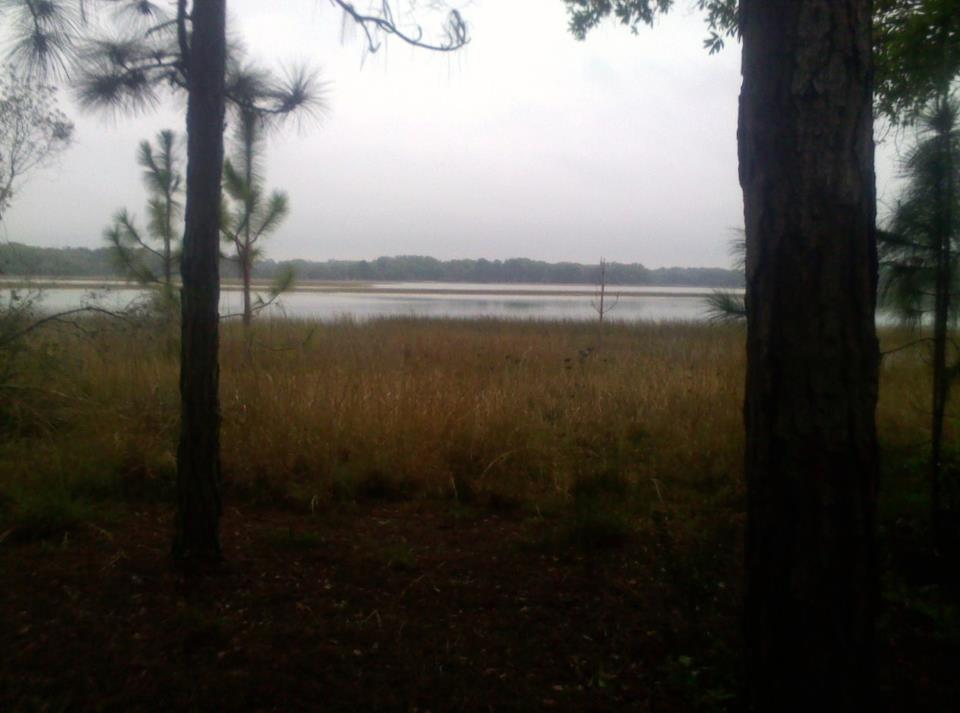
Okay, this one is more inland and a completely different vibe from the coastal spots, but Crews Lake Wilderness Park off Crews Lake Drive in the Spring Hill area is worth knowing about. It’s a 113-acre county park with a beautiful lake at its center, and while it’s primarily known for hiking and camping, the lake paddling here is quiet, peaceful, and feels genuinely remote even though you’re not far from civilization.
The lake itself is dark-water Florida at its best. Cypress knees line the shoreline, Spanish moss hangs heavy over the water, and the only sounds you typically hear are birds. It has a different energy than paddling the coastal areas — slower, more meditative. On a foggy winter morning out there, it looks like something from a nature documentary.
Best Time to Go: Fall through spring. Summer afternoons bring the lightning threat that’s present everywhere in Florida, and the bugs at Crews Lake in summer can be aggressive. Bug spray is non-negotiable here.
Parking: Free parking at the park. The launch area is well-marked and easy to find once you’re inside the park entrance.
Insider Tip: This park has a dedicated paddling trail with markers. Pick up a map at the entrance kiosk so you don’t end up going in circles — the cypress areas along the shoreline can start to look the same if you’re not paying attention.
A Few Things That Apply Everywhere in Pasco County
Before you throw a kayak on the roof and head out, let me share a few things I’ve learned from years of paddling these waters.
Tides matter more than people think. Most of the coastal and river paddling in Pasco County is tidal-influenced. A quick check of the NOAA tide chart for the nearest reference station before you go will save you from a miserable slog against moving water. I use the free NOAA Tides and Currents app.
Thunderstorm season is real. From roughly June through September, afternoon storms build fast and lightning is a genuine hazard on open water. Plan to be off the water by noon or one o’clock at the latest, and always keep an eye on the sky rather than trusting the forecast alone — Florida storms build faster than any app can keep up with. When in doubt, get off the water and wait it out on land.